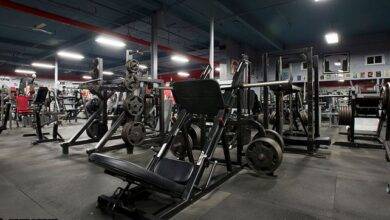
Staying active feels good until the body starts pushing back. A sore knee after a run. A tight calf that never fully settles. A shoulder that complains during training, then lingers during daily tasks. Many active people keep going anyway, hoping it will pass. For a lot of locals, physio st kilda becomes part of staying active without letting small problems turn into long breaks or forced rest.
Sports related discomfort is not always about one bad move. It often comes from how the body handles repeated load. When movement patterns drift, certain areas take more strain than they should.
Common injuries linked to regular sports activity
- Knee pain from repeated impact or poor tracking
- Ankle issues caused by limited mobility or weakness
- Shoulder pain from overhead or repetitive movements
- Hamstring tightness that keeps returning
- Lower back discomfort after training sessions
These problems often start small. At first they feel manageable, almost annoying rather than serious. Over time, they begin to shape how people train, move, and even rest.
Why active bodies still break down
- Training loads increase faster than recovery
- Muscles compensate when others are underperforming
- Small technique changes go unnoticed
- Old injuries affect current movement
- Fatigue alters how the body absorbs force
Even strong, fit bodies can struggle when movement patterns are off. Fitness does not always mean balance. Without proper support, the same muscles end up doing too much work while others switch off quietly.
Preventing strain through better movement patterns
- Identifying imbalances before pain escalates
- Improving joint control during sport specific actions
- Teaching muscles to share load properly
- Reducing overuse of dominant muscle groups
- Adjusting technique without changing performance goals
Better movement does not mean doing less. It means doing things in a way that the body can repeat without breaking down.
Improving flexibility without losing control
- Targeted mobility instead of random stretching
- Protecting joints while increasing range
- Maintaining stability through movement
- Avoiding over stretching vulnerable areas
- Supporting smoother, more efficient motion
Flexibility works best when it supports strength. Too much looseness without control often creates new problems instead of solving old ones.
Recovery support after intense activity
- Hands on techniques to ease overloaded muscles
- Guided recovery movement instead of full rest
- Managing soreness without masking problems
- Helping tissues recover between sessions
- Reducing the chance of repeat flare ups
Recovery is not about stopping completely. It is about helping the body reset so it is ready to move well again.
Building strength without pushing limits
- Progressive loading suited to the individual
- Strength work that supports specific sports
- Gradual increases without sudden jumps
- Addressing weak links in the chain
- Protecting joints while building power
Strength should make movement feel safer and more confident, not heavier or restricted.
Simple signs it is time to get support
- Pain that lingers longer than expected
- Tightness that returns after every session
- Reduced performance without clear reason
- Fear of certain movements creeping in
- Recovery taking longer than usual
Ignoring these signs often leads to longer breaks later on.
Maintaining performance without constant setbacks
- Keeping minor issues from becoming injuries
- Supporting consistency in training routines
- Improving confidence in movement under load
- Helping athletes trust their bodies again
- Allowing progress without fear of breakdown
Sport should challenge the body, not punish it. When movement is supported properly, training feels smoother and recovery feels faster. That balance is why many active individuals rely on physio st kilda as part of maintaining their lifestyle, not just fixing injuries.
Staying active should build confidence, not doubt. With the right support, the body can keep doing what it loves without constantly paying for it afterward.